
Poor air quality is one of the most overlooked health and safety risks in commercial buildings. Many businesses only realise the seriousness of the issue once staff start complaining about headaches, fatigue, or poor air circulation, or when regulators highlight compliance issues. A properly designed and maintained commercial ventilation system is not just a comfort feature. It is a critical component of workplace health, productivity, and legal compliance.
At D-Air Services, we regularly speak with businesses that assume their ventilation is working properly, only to discover that filters are clogged, airflow is restricted, and indoor air quality is deteriorating. The truth is simple. Without good ventilation, your building can quickly become an unhealthy environment for employees and visitors.
Why Is Ventilation Important in Commercial Buildings?
Ventilation is essential because it removes stale air, pollutants, and excess moisture while replacing it with fresh air. Without a reliable commercial ventilation system, contaminants quickly build up indoors and can affect both health and safety.
Many commercial environments produce pollutants every day. Office equipment releases heat and particles, cleaning products release chemicals, kitchens produce grease and fumes, and high occupancy increases carbon dioxide levels. Without proper airflow, these pollutants remain trapped inside the building. In such cases, the heat recovery feature in ventilation systems holds utmost importance.
This is why ventilation is important for maintaining safe air quality. Good ventilation reduces airborne contaminants, balances humidity levels, and keeps indoor spaces comfortable and safe to work in.
From offices and retail spaces to warehouses and hospitality venues, every commercial property depends on effective ventilation to maintain a healthy indoor environment.
How Does a Commercial Ventilation System Improve Workplace Health?
A commercial ventilation system directly protects the health of everyone inside the building by continuously circulating fresh air and removing pollutants.
When ventilation is poor, airborne particles can build up quickly. These may include dust, bacteria, viruses, chemical fumes, and allergens. Over time, exposure to these contaminants can lead to respiratory irritation, headaches, fatigue, and reduced concentration.
Good ventilation helps to reduce the risk of airborne illness and improves overall comfort. Employees who work in well-ventilated environments are less likely to suffer from symptoms associated with poor indoor air quality.
The importance of ventilation became even more widely recognised after the pandemic, when businesses realised how critical airflow is in reducing the spread of airborne contaminants. A properly maintained commercial ventilation system can play a major role in protecting both employees and customers.
What Are the Health and Safety Risks of Poor Ventilation?
Poor ventilation can create serious health and safety risks in commercial spaces. Many business owners underestimate the impact until the symptoms become impossible to ignore.
Without good ventilation, carbon dioxide levels can rise quickly in busy environments. This can lead to fatigue, headaches, dizziness, and reduced concentration among employees. Productivity often drops as a result.
Excess moisture is another major concern. Poor airflow allows humidity to build up, creating the perfect conditions for mould growth. Mould spores can cause respiratory issues and trigger allergies, especially for staff who are already vulnerable.
There are also compliance risks. Many workplaces must meet health and safety regulations regarding indoor air quality. Failing to maintain ventilation systems can expose businesses to inspections, complaints, and potential liability.
Simply put, neglecting your ventilation system can turn a small maintenance issue into a major workplace problem.
What Are the Key Advantages of Ventilation for Businesses?
The advantages of ventilation go far beyond comfort. For commercial premises, effective ventilation supports health, safety, productivity, and operational efficiency.
- Improved Air Quality: By continuously replacing stale indoor air with fresh outdoor air, ventilation systems reduce pollutant concentrations and maintain a healthy indoor environment.
- Improved Temperature Balance: Ventilation helps distribute air evenly throughout the building, preventing hot or stuffy areas that make working conditions uncomfortable.
- Controlling humidity: Ventilation also protects the building itself; it prevents condensation that can damage equipment, walls, and structural elements.
For businesses that rely on customer satisfaction, good ventilation can even improve the customer experience. Clean, fresh air makes spaces more pleasant and inviting.
Why Is Regular Commercial Ventilation Maintenance So Important?
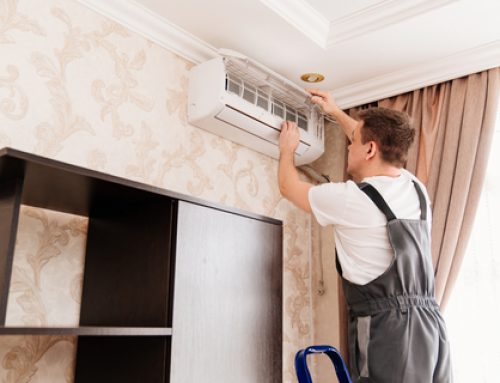
Commercial ventilation maintenance is essential because even the best system will become inefficient if it is not regularly serviced.
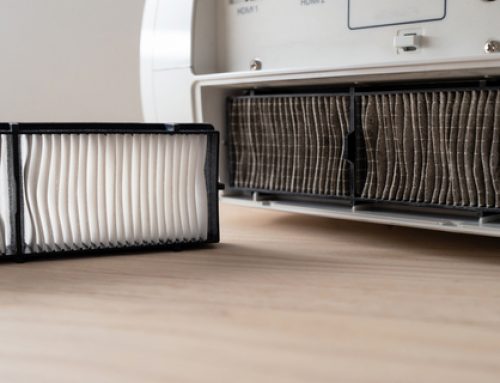
- Over time, filters become clogged with dust and debris. Ductwork can accumulate contaminants, and mechanical components may begin to wear down. When this happens, airflow becomes restricted, and the system can no longer perform effectively.
- Poorly maintained ventilation systems often consume more energy as they work harder to move air through blocked filters and ducts. This can increase operating costs and shorten the lifespan of the equipment.
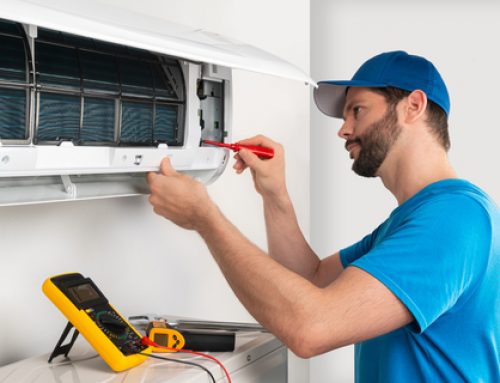
- Regular servicing ensures that your commercial ventilation system continues to operate safely and efficiently. Maintenance checks can identify issues early, replace worn components, and restore optimal airflow.
At D-Air Services, we always recommend proactive maintenance rather than waiting for problems to appear. Preventative servicing protects your workforce, your building, and your business.
What Types of Businesses Need Commercial Ventilation the Most?
While every commercial building benefits from good ventilation, some environments rely on it more heavily than others.
- Restaurants and commercial kitchens
- Retail environments
- Offices
- Industrial facilities and warehouses
In all these settings, the importance of ventilation cannot be overstated. Without a properly functioning commercial ventilation system, both health and operational efficiency can be compromised.
Why Should Businesses Choose Professional Ventilation Specialists?
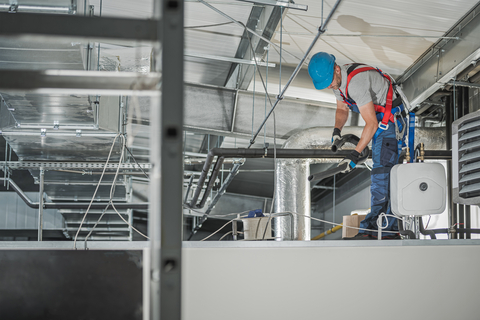
Commercial ventilation systems are complex and require specialist knowledge to design, install, and maintain correctly. Attempting to manage ventilation issues without professional expertise can lead to ineffective solutions.
Professional ventilation engineers understand airflow dynamics, building requirements, and regulatory standards. They can assess whether your current system is performing correctly and recommend improvements where necessary.
Working with experienced specialists also ensures that maintenance is carried out safely and thoroughly. This protects both your employees and your equipment.
At D-Air Services, our team works with businesses across a wide range of sectors to deliver reliable ventilation solutions that prioritise health, safety, and efficiency.
Is Your Commercial Ventilation System Protecting Your Workplace?
Your ventilation system plays a vital role in protecting the health and safety of everyone inside your building. When ventilation is neglected, air quality declines, risks increase, and productivity suffers. Regular servicing is the only way to ensure your system continues to deliver clean, safe airflow throughout your premises.
At D-Air Services, we help businesses maintain reliable, high-performing ventilation systems that keep workplaces safe and compliant. Our experienced engineers provide thorough inspections, servicing, and long-term support to ensure your ventilation is working exactly as it should.
Frequently Asked Questions
-
What is a commercial ventilation system?
A. A commercial ventilation system is designed to circulate fresh air throughout a building while removing stale air, pollutants, and excess moisture. These systems are essential for maintaining healthy indoor air quality in workplaces.
2. How often should commercial ventilation systems be serviced?
A. Most commercial ventilation systems should be serviced at least once a year. However, high usage environments such as kitchens or manufacturing facilities may require more frequent maintenance.
3. Can poor ventilation affect employee productivity?
A. Yes. Poor air quality can lead to fatigue, headaches, and reduced concentration. Good ventilation helps maintain comfortable conditions that support employee performance.
4. Does ventilation help prevent mould?
A. Yes. Good ventilation reduces humidity levels and prevents the condensation that allows mould to grow. This protects both building structures and indoor air quality.
5. Why is ventilation important for health and safety compliance?
A. Many workplace regulations require businesses to maintain safe indoor air quality. Proper ventilation helps businesses meet these standards and protect employees from airborne hazards.