
Boilers are the unsung heroes of commercial and industrial buildings. From providing reliable heating and hot water in hospitals, schools, and hotels to supporting manufacturing and office operations, these systems play a critical role in day-to-day comfort and efficiency. But when a boiler breaks down, the impact can be immediate and costly, leading to downtime, discomfort, and expensive emergency repairs.
For facilities managers and operations teams, understanding the most common boiler problems is essential to keeping systems running safely, efficiently, and in line with sustainability goals. Early detection and proactive maintenance don’t just prevent breakdowns; they also extend equipment life and reduce carbon emissions, helping your organisation stay on track with net zero targets.
Let’s explore the common boiler faults, how to prevent them, and when to call in a Gas Safe Registered engineer to keep your facility running smoothly.
What Are the Most Common Boiler Problems?
Boilers are complex systems that operate under pressure, heat, and constant use. Even well-maintained units can develop issues over time. Recognising these early warning signs helps avoid major failures and unnecessary costs.
1. Low or Fluctuating Water Pressure
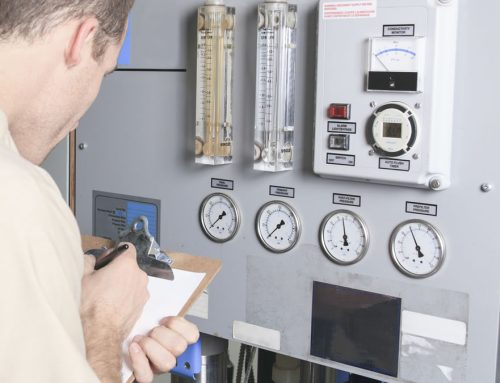
One of the most common boiler problems is low or unstable water pressure. You can usually spot this by checking the pressure gauge on the front of your boiler — the needle should typically rest between 1 and 2 bar.
Likely causes include:
- Leaks in the system, even small ones, are leading to a gradual loss of pressure
- Recently bled radiators that have released air but not been topped up
- Faulty pressure relief valves or expansion vessels
If pressure keeps dropping after being topped up, there’s likely an underlying leak or system fault that needs professional inspection.
2. No Heating or Hot Water
A complete loss of heat or hot water can halt operations in hotels, hospitals, and schools. Common reasons include:
- Pilot light issues: Older gas boilers rely on a pilot flame — if it goes out, the system won’t ignite.
- Frozen or blocked condensate pipe: During winter, this external pipe can freeze, preventing the boiler from functioning.
- Air in the system: Pockets of trapped air can block circulation, stopping heat from reaching radiators.
While some causes, like bleeding the radiator, can be handled in-house, repeated issues should always be checked by a Gas Safe Registered engineer.
3. Boiler Leaks
Leaks are a major concern, especially in older boilers. Even a slow drip can lead to corrosion, electrical faults, and costly damage.
Common causes include:
- Corroded heat exchangers
- Damaged seals or joints
- Faulty pressure valves are releasing excess pressure
Never ignore a leak — it’s often a sign of deeper system wear that, if left untreated, could result in total boiler failure.
4. Strange Boiler Noises
Unusual noises like banging, gurgling, or whistling—sometimes known as “kettling” — indicate air in the system or limescale build-up inside the heat exchanger. This restricts water flow and increases pressure and temperature, potentially damaging internal components.
A noisy boiler should be investigated quickly; regular descaling and system flushing during annual servicing can prevent this issue.
5. Frozen Pipes or Condensate Line
During cold weather, frozen condensate pipes are among the most frequent causes of winter boiler failures. These pipes carry acidic wastewater from condensing boilers and are often routed outdoors. If frozen, the blockage forces the boiler to shut down for safety.
Prevention tips:
- Insulate exposed pipework
- Keep the system running at a low level during freezing periods
- Ensure regular cold-weather checks are part of your maintenance routine
Repeated or persistent faults — whether low pressure, leaks, or loss of heating — should always be assessed by a Gas Safe Registered engineer. Early intervention prevents downtime and ensures compliance with safety standards.
How to Prevent These Problems
Preventing boiler faults is far more cost-effective than repairing them. With the right maintenance strategy, facilities managers can reduce unplanned breakdowns, cut energy costs, and extend the life of their systems.
Here are key steps to avoid expensive boiler repairs and keep your boiler performing efficiently.
1. Schedule Annual Servicing
Arrange annual boiler servicing by qualified engineers to ensure all components are inspected, cleaned, and performing correctly. D-Air conditioning ensures professional servicing; it detects early signs of wear, corrosion, or pressure imbalance before they become serious issues.
2. Conduct Routine Pressure Checks
Encourage maintenance teams to check and log boiler pressure regularly. Recording readings helps detect slow leaks or faulty expansion vessels early, preventing costly water damage and system failures.
3. Bleed Radiators Regularly
Air trapped in radiators reduces heating efficiency and can cause uneven temperatures across your building. Bleeding the radiator removes trapped air, helping maintain stable pressure and even heat distribution throughout your system.
4. Protect Against Frozen Pipes
Seasonal maintenance should include checking insulation around external pipework. Frozen pipes can shut down a boiler completely — but simple measures like lagging pipes and ensuring adequate ambient temperature prevent this common issue.
5. Respond Promptly to Warning Signs
If you notice leaks, unusual noises, or pressure drops, don’t delay. Acting quickly reduces the risk of a system-wide breakdown. Calling an engineer early often means a cheap boiler repair rather than a costly replacement.
6. Upgrade Ageing Systems
Older boilers are less efficient and more prone to faults. Replacing them with modern commercial gas boilers improves performance, reduces emissions, and supports net zero compliance. D-Air Conditioning understands these situations and ensures the most efficient installation and service options, so you get nothing but the best from us.
7. Implement Predictive Maintenance
Large facilities can benefit from smart monitoring or predictive maintenance schedules that analyse performance data to anticipate faults. This proactive approach minimises disruption and ensures boilers operate at peak efficiency year-round.
By following these steps, organisations can reduce operational costs, avoid sudden breakdowns, and maintain consistent heating and hot water throughout their premises.
When to Call an Engineer
While routine checks can be handled in-house, some issues require professional attention. Knowing when to call an engineer helps prevent safety risks and unnecessary downtime.
Signs It’s Time to Call a Gas Safe Registered Engineer from D-Air Conditioning:
- Repeated pressure loss: even after topping up the system
- Leaks or visible corrosion: around the boiler casing or valves
- Loud noises or banging that persist after bleeding radiators
- No heating or hot water: despite resetting or checking the thermostats
- Pilot light frequently going out: indicating a potential gas or ignition fault
Attempting DIY boiler repairs is never advisable. Gas systems should only be handled by Gas Safe Registered engineers to ensure safety and compliance with UK regulations.
D-Air Conditioning offers fast, affordable, and compliant boiler repair services across the UK, helping you restore heating and hot water without compromising safety or quality.
Whether you need a cheap boiler repair or a comprehensive system overhaul, professional support ensures lasting performance and peace of mind.
Proactive Replacements and Efficiency Goals
For many organisations, maintaining outdated systems can cost more in the long run than upgrading. As part of a wider sustainability and efficiency strategy, replacing older boilers with energy-efficient models supports both operational savings and net zero objectives.
Why Upgrade Your Boiler?
- Lower energy bills: Modern gas boilers are far more efficient, converting more fuel into usable heat.
- Fewer breakdowns: New systems use advanced controls and diagnostics that reduce mechanical strain.
- Improved safety and compliance: up-to-date installations meet the latest safety and emissions standards.
- Reduced carbon footprint: Efficient combustion and lower wastage support environmental responsibility.
For facilities managers aiming to meet sustainability targets or improve EPC ratings, a modern commercial boiler installation is a smart investment. Not only does it minimise risk, but it also demonstrates commitment to environmental responsibility and cost control.
D-Air Conditioning specialises in large-scale commercial boiler installations across offices, hospitals, hotels, factories, and educational campuses. Our engineers handle everything from initial consultation and system design to safe installation and ongoing maintenance.
A proactive replacement plan ensures your heating infrastructure is future-ready — delivering reliable performance while supporting your business’s long-term sustainability agenda.
Conclusion
Boilers are vital assets in any commercial or industrial environment. But when problems arise — from low pressure and leaks to strange noises or complete shutdowns — they can quickly become costly and disruptive.
By understanding common boiler problems and taking preventive steps like regular servicing, pressure checks, and seasonal maintenance, you can significantly reduce the risk of expensive repairs and unplanned downtime.
Whether you need ongoing maintenance, fast repairs, or a full system upgrade, D-Air Conditioning is your trusted partner for safe, efficient, and cost-effective solutions.
Keep Your Business Warm, Efficient & Worry-Free
Don’t wait for a boiler breakdown to disrupt your operations — keep your system running safely, efficiently, and cost-effectively with expert support from D-Air Conditioning.
Whether you need a new boiler installation, a reliable servicing plan, or fast, affordable repairs, our friendly, Gas Safe Registered team is here to help.
- Expert commercial boiler installation, servicing & repair
- Energy-efficient solutions that support your net-zero goals
- Fast response times and nationwide coverage
- Transparent pricing with free, no-obligation quotes
Get in touch today to schedule a service or request your free quote — and experience the professional, customer-focused care that makes D-Air Conditioning a trusted partner for businesses across the UK.
Get customised prices now to keep your facility running at peak performance.