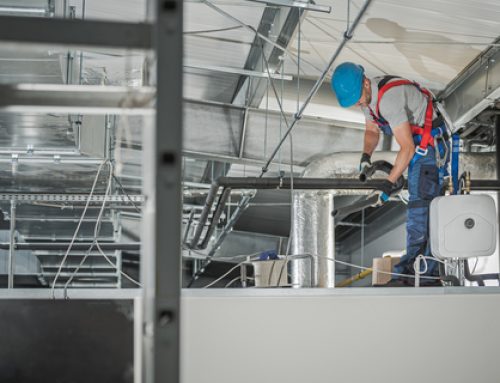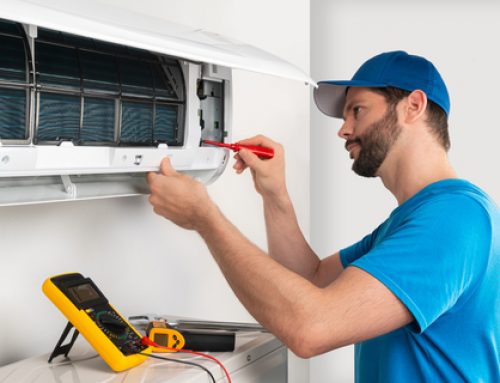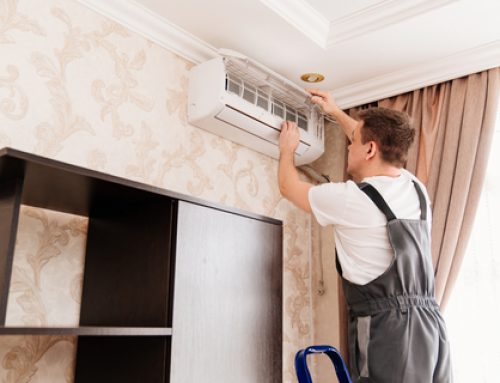


When temperatures rise, and your commercial air conditioning system struggles to keep up, it’s more than just an inconvenience. For businesses across offices, hotels, restaurants, retail stores, schools, universities, and hospitals, a failing AC system can impact employee productivity, customer satisfaction, and even your bottom line. At D Air Services, we understand how critical a properly functioning commercial air conditioning system is to your operations.
The good news? Your AC unit typically provides warning signs before it fails. Recognising these early indicators can save you from costly emergency repairs and uncomfortable working conditions. In this comprehensive guide, we’ll walk you through the seven most common signs that your commercial AC system requires professional attention, helping you understand when it’s time to act.
1. Weak or Poor Airflow
One of the most noticeable signs of commercial AC trouble is poor airflow. If certain areas of your building feel stuffy while others remain comfortable, or if the air coming from your AC units seems weaker than usual, your system is signalling a problem.
Common causes include blocked or dirty filters, a failing blower fan, or issues within the indoor unit, such as a malfunctioning motor or obstructed coils. When the airflow is restricted, your air conditioning system must work significantly harder to cool the space, increasing energy usage and accelerating wear on key components.
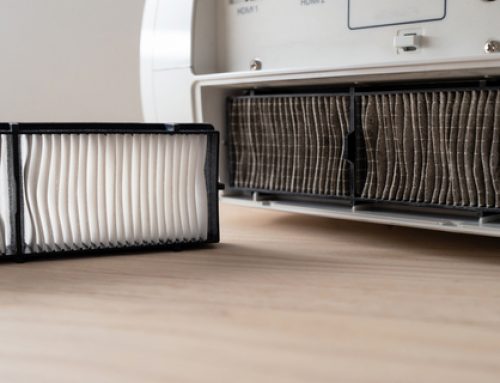
Clogged air filters are often the primary culprit. When filters become saturated with dust and debris, they prevent air from passing freely through the system. Regular filter changes should be part of your routine maintenance. However, if you’re still experiencing weak airflow despite clean filters, the issue may lie within the blower fan or internal components of the AC unit itself.
Poor airflow forces your system to overwork, reducing efficiency and increasing the likelihood of more serious breakdowns if left unresolved.
2. Inconsistent or Uneven Cooling
If some areas of your building feel too warm while others feel perfectly comfortable, your commercial air conditioning system may not be cooling evenly. This is a common issue and, in many cases, can be linked to something simple—such as incorrect settings on the AC controls or units being set to different modes (for example, one unit set to heat while another is set to cool). Before assuming a technical fault, it’s always worth checking the controls.
However, if the problem persists across multiple air conditioning units, there may be an underlying issue. Possible causes include a refrigerant leak, dirty filters restricting airflow within the unit, or a thermostat that’s sending inaccurate temperature readings. Any of these can affect how effectively the system cools the space.
Inconsistent temperatures don’t automatically indicate a major failure, but they do mean the system isn’t operating as efficiently as it should. Addressing the issue early—whether it’s a simple control adjustment or a professional check—helps keep your building comfortable and prevents unnecessary strain on your air conditioning system.
3. Strange Noises: Banging, Grinding, Buzzing or Hissing
A well-maintained commercial air conditioning system should operate relatively quietly, with only a gentle hum during normal operation. When your AC starts making strange noises, it’s time to pay attention. Different sounds indicate different problems, and none should be ignored. While a gentle hum or whir is normal, noises like banging, grinding, buzzing, clicking, or hissing are not.
- Grinding or screeching often points to worn bearings or motor problems.
- Banging or clanking may mean there are loose parts inside the system.
- Clicking might suggest electrical faults with relays or control components.
- Hissing or bubbling frequently signals a refrigerant leak.
What might start as a minor issue with loose components can quickly escalate into a major system failure requiring extensive repairs. Quick action can prevent these problems from worsening and save you substantial money in the long run.
4. Frequent Cycling (Short Cycling)
Short cycling, where your air conditioning system turns on and off repeatedly in quick succession, is both inefficient and damaging to your equipment. This behaviour indicates that something is preventing your system from completing its normal cooling cycle.
Short cycling can be caused by:
- A thermostat that is misreporting the temperature.
- Poor thermostat location or setup (for example, installed near heat sources, direct sunlight, or draughts, causing inaccurate readings).
- Incorrect refrigerant charge or a leak.
- An oversized unit for your space.
- Blocked airflow or frozen evaporator coils.
Frequent cycling causes the fan controls and compressor to wear out prematurely. The condenser fan motor, compressor, and blower motor all make electrical connections each time the unit starts, and these repeated start-ups place enormous stress on these components. Over time, this accelerated wear leads to premature failure and costly repairs.
Does your AC unit turn on and off more often than expected? It’s a warning sign.
5. Rising Energy Bills Without Increased Use
One of the more subtle but important signs is a sudden spike in your energy bills, even though your usage hasn’t noticeably changed. This is often one of the first signs that your commercial air conditioning system is losing efficiency. An unexpected spike in energy bills usually means your AC is working harder than usual to maintain the desired temperature. This often indicates inefficiency within the system, possibly due to:
- Dirty or clogged air filters.
- Worn-out components are pushing your system to overwork.
- Low refrigerant from a leak.
- Dirty coils that are unable to transfer heat efficiently
The additional strain not only increases operational costs but can also lead to premature ageing of your air conditioning units. What starts as a modest increase in utility bills can quickly snowball into substantial expenses if the underlying problems aren’t addressed.
6. Strange or Foul Odours
If you notice musty, burning, or unusual smells coming from your commercial AC units when they run, it’s a strong indicator that something isn’t right.
Different odours can point to specific issues:
- Musty or mouldy smells may indicate moisture buildup inside the indoor unit or on the evaporator coils, where mould or mildew can develop.
- Burning or acrid smells may suggest overheating electrical components such as wiring, the fan motor, or other internal parts.
- Chemical or sharp odours can be associated with a refrigerant leak, especially if accompanied by hissing noises.
- Strange odours not only make the environment unpleasant but can also affect indoor air quality. Because AC units circulate air throughout the space, any issue within the unit itself can spread smells more widely.
Regular maintenance helps prevent these problems, but if you notice persistent or unusual odours, it’s important to have the system inspected promptly to avoid further damage or health concerns.
7. Leakage, Excess Moisture, or Water Around the Unit
If you notice water pooling around your commercial AC unit or signs of leakage, it’s a clear indication that something needs attention. While air conditioning systems naturally remove a small amount of moisture as part of the cooling process, they are not designed to act as primary dehumidifiers. Excess moisture issues in a building should be addressed with a dedicated dehumidifier rather than an AC system.
Water around, beneath, or dripping from an AC unit may be caused by:
- A clogged or damaged condensate drain line, preventing water from draining away properly.
- Frozen evaporator coils caused by restricted airflow, which then thaw and produce excess water.
- A refrigerant leak, which may be accompanied by hissing noises or oily residue near the unit.
Left unresolved, leaks can lead to water damage around the unit and may indicate larger issues affecting system performance. If you spot standing water or notice that your AC unit is producing more moisture than usual, it’s important to have it inspected by a professional.
Why Acting Early Matters
Ignoring the early warning signs of a struggling commercial air conditioning system doesn’t just lead to discomfort; it can:
- Reduce the lifespan of your AC units
- Increase the risk of major breakdowns during peak times
- Raise energy costs dramatically
- Compromising indoor air quality affects health and productivity
- Disrupt business operations, especially in customer-facing environments like hotels, restaurants, or retail
- That’s why it’s better to tackle small problems now than pay for a full system failure later.
Prevent Costly Breakdowns: Schedule Your AC Service Today
If you’ve spotted any of these warning signs in your office, hotel, restaurant, school or healthcare facility, don’t wait until things get worse. D Air Services is here to help.
We offer expert commercial air conditioning repair services tailored to your building’s specific needs.
- Our highly experienced engineers can service and repair any air conditioning system, dealing with refrigerant leaks, loose parts, electrical faults, or worn-out components.
Beat the heat, improve your indoor air quality, and safeguard your system before a small problem becomes a business-critical failure. Call D Air Services – your comfort, efficiency, and peace of mind matter to us.
Frequently Asked Questions
1. Should I ignore strange noises from my AC?
A. No – noises such as banging, buzzing, grinding or clicking often point to serious underlying issues (loose parts, fan belt problems, or electrical issues) that need prompt inspection.
2. Is a refrigerant leak dangerous?
A. Yes, it can be. A leak may reduce efficiency, damage your compressor, or even pose environmental or legal concerns. If you hear hissing noises, see ice on pipes, or notice oily patches, call a professional immediately.
3. Can poor indoor air quality come from the AC?
A. Definitely. A failing air conditioning system can circulate mould spores, dust or bacteria, especially if filters are dirty or there’s moisture in the system. This affects ventilation, air quality, and occupant health.
4. Will servicing or repairing my AC lower my energy bills?
A. Yes. Regular maintenance, cleaning coils, replacing filters, and fixing leaks all restore efficiency. When your system doesn’t have to overwork, your energy costs come down.
5. How often should I have a commercial AC serviced?
A. Commercial AC systems should ideally be serviced twice a year to keep them running efficiently and to catch issues early.
For premises with high footfall—such as hotels, restaurants, retail stores, or busy offices—or environments like vets, GP surgeries, or grooming facilities, more frequent servicing may be needed. In these locations, filters can become clogged quickly due to hair, dust, and products in the air, so a service every 3 months is often recommended to maintain performance and air quality.
Regular servicing helps ensure consistent cooling, reduces breakdown risks, and keeps energy costs under control.